
Worry-Free Money: Rebuilding Your Finances After Separation with Shannon Lee Simmons
Why This Book Made Our Reading List
Money is one of the most charged topics that comes up during separation, and for good reason. When a shared financial life gets divided, the practical questions arrive fast: What can I actually afford on my own? What do I cut? Where do I even start?
For people who haven't been the primary financial manager in their relationship, those questions can feel especially overwhelming. If your spouse handled the bills, the savings, the investments, this may be the first time you're truly on your own with your finances, and that's a significant adjustment.
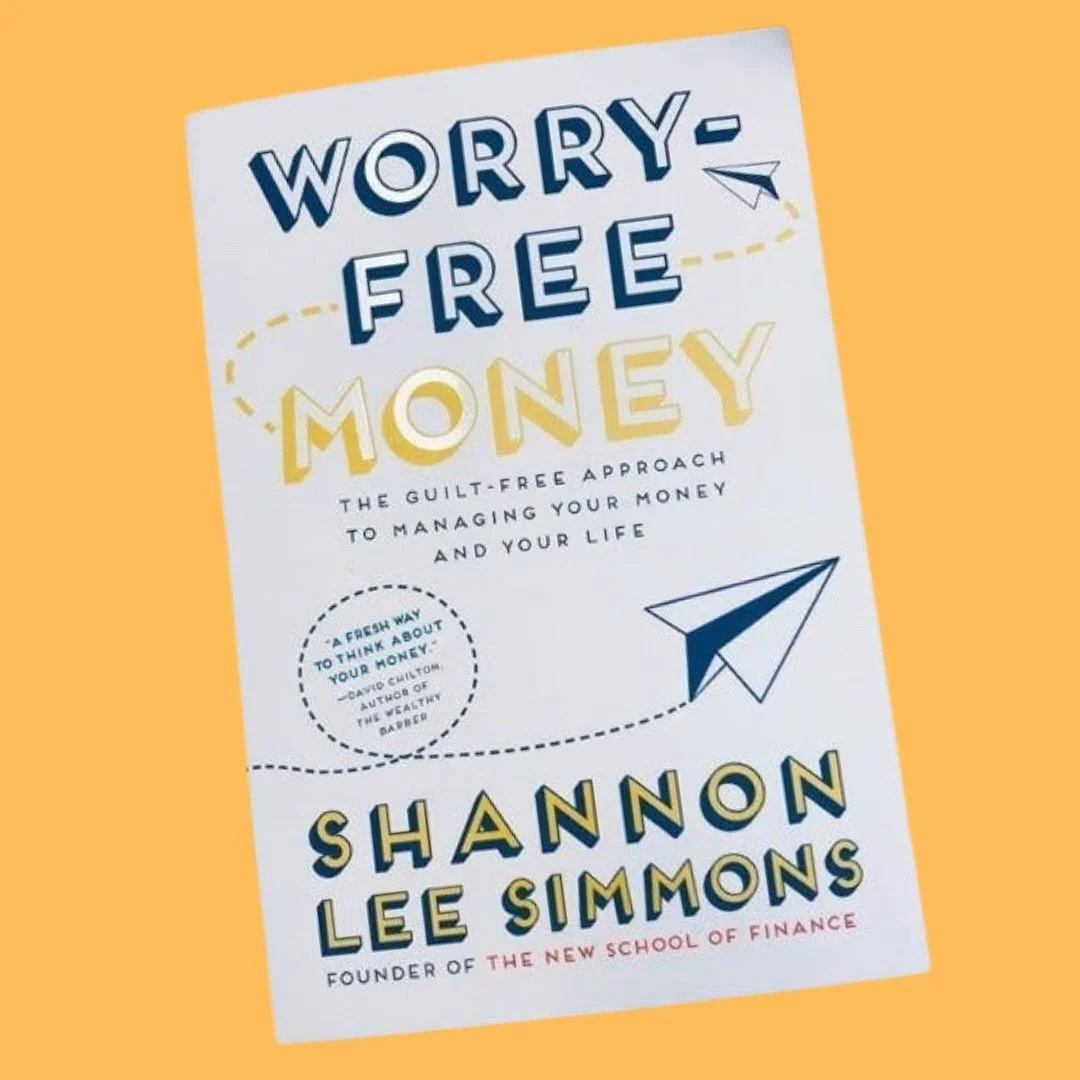
Worry-Free Money by Shannon Lee Simmons is one of the books we most often recommend for this moment.
We liked it enough that we had Shannon on the Divorce Well podcast. Listen to our conversation to get a sense of Shannon’s approach.
About the Author
Shannon is a Toronto-based certified financial planner, chartered investment manager, life coach, and founder of the New School of Finance. She writes for a Canadian audience, which matters more than it might sound. Tax rules, housing costs, debt culture, and financial norms in Canada are meaningfully different from what you'll find in American personal finance books, and Shannon's advice lands in the context you're actually living in.
What the Book Is About
The central premise of Worry-Free Money is that traditional budgeting fails most people, not because they lack discipline, but because rigid systems create guilt, and guilt leads to giving up entirely. Shannon's approach starts with a different question: what does money need to do for you, and how can the rest of it feel genuinely free to spend?
Her system asks you to cover your essential fixed expenses and put something toward meaningful savings first. Once those are handled, what remains is yours to use without second-guessing yourself. The goal is to replace the cycle of anxiety and overspending with something more sustainable: a clear baseline, and real breathing room.
She also addresses the emotional and social side of spending, the comparisons, the pressure to keep up, the guilt that follows purchases you actually needed. These aren't peripheral to the financial conversation. They're often at the center of it.
Why It Matters During Separation
Separation has a way of making money feel like a personal failing, especially in those early months when income has dropped, expenses have risen, and you're trying to figure out what your new normal looks like. It’s also a time when anxiety can be at its highest while you’re figuring out how to make sure that you’ll be on solid financial ground after your separation.
Shannon's approach is well-suited to this transition because it doesn't start by telling you what you're doing wrong. It starts by acknowledging that the financial stress you're feeling is real, and then gives you a practical, grounded way through it. For someone rebuilding a financial life for the first time, the shift from fear and guilt to clarity is significant.
Who We Especially Recommend It For
This book is a particularly good fit if you are stepping into financial management on your own for the first time, trying to understand what you can realistically afford as a single-income household, feeling anxious or guilty about money even when you're doing your best, or looking for personal finance guidance written specifically for Canadians.
Shannon's Other Books
Since Worry-Free Money, Shannon has also written Living Debt-Free and No-Regret Decisions, the latter focused on making sound decisions during periods of major life upheaval. If her approach resonates, both are worth exploring.
Where to Find It
Worry-Free Money is available at Canadian bookstores and libraries, and of course, Amazon.